
✔️ Belt specifications
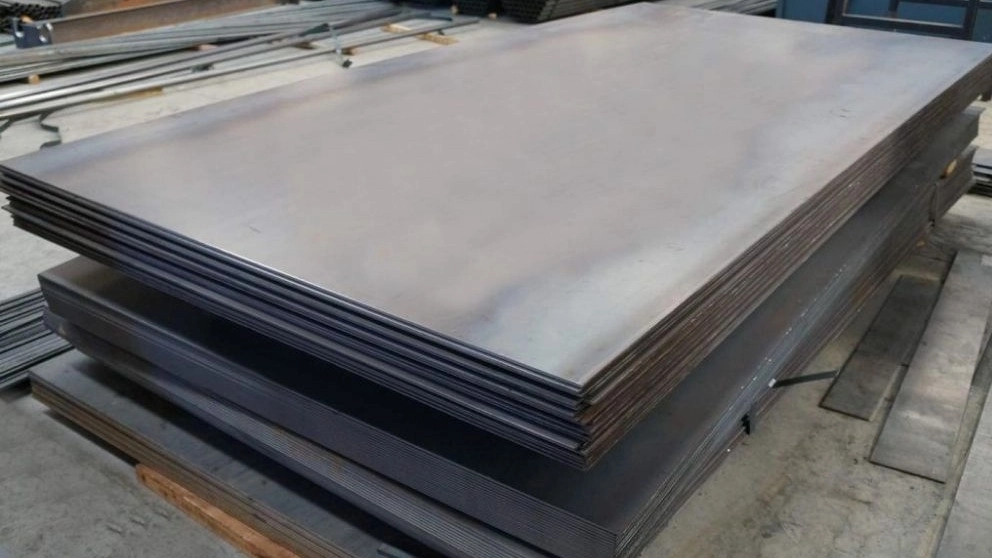
This is a cutting product of a metal cross-section. Smooth and uniform cuts that are made on all types of sheets. A cross-section with a large difference in width and thickness is called a steel belt. The belt is made of uniform and smooth cuts on the surface of the steel sheet. Stainless steel belts are resistant to corrosion and are primarily used in chemical, food, rubber production, etc. industries.
The types of belts available in the iron market include hot and cold rolling belts, galvanized belts, stainless steel belts, aluminum belts and other alloys. The price of the belt is completely dependent on the price of the black sheet. This product is divided into two categories in terms of production methods:
climbing
Machine work
The rolling model is produced from iron waste plates in a molten state and is supplied in different length sizes. Sizes generally vary from 4 meters to 7 meters. In the type of machining, products are produced from first-class fabric sheets in a uniform, neat, well-cut and branched manner. The branches are supplied as 6 meters. Finally, the sharp edges of the product are rubbed with the help of special machines and tools and become rounded.
The price of the machined iron belt is more expensive than the rolling type and of course it is of better quality. It is interesting to know that iron models of ST37 type are very widely used and steel iron belts are also used in industry and sometimes in metal structures.
✔️ Metal Belt specifications and properties
Absence of longitudinal changes due to the application of high tensile force
Sharp edges
High strength and durability
High failure resistance
High heat resistance
Can be used with manual belt tensioner, metal pneumatic belt tensioner, and belt tensioner without fasteners
✔️ Production of steel straps
Steel belt is produced and marketed in two ways: rolling and machining. In addition to the production process, the products obtained from these two methods also differ in the raw material and the type of application. Steel billet is used as raw material in rolling method and steel sheet is used in machining method. Although the manufacturers cut the belt according to the dimensions required by the user, the belt in the steel market is 6 and 12 meters long in roll or flat form.
✔️ Rolling Belt Production
In this method, the steel ingot is melted in a preheated furnace at a temperature of 1200 degrees Celsius. Then, the molten material is rolled by passing through several rows of rollers in the production line and approaches the final shape and dimensions at each stage. After the production of the steel belt, the product has a high temperature of about 700 degrees Celsius. For this reason, the belts are transferred to the cooling bed with the help of a roller to be cooled in the vicinity of the air. Finally, the belt production ends by cutting the beginning and end of the sections. The standard length of this section is 6 and 12 meters, but it is cut according to the customer's needs. This belt produced by the rolling method is called fabric belt.
✔️ Machinery Belt Production
In the machining method, the belt is produced from steel sheet. In this method, the sheet roll is opened and inserted into the guillotine machine. The guillotine cuts the steel sheet and since the cutting bends, they fix this problem by ironing. The passage of the warped sheet through the rolling rollers is called ironing. The quality of the belt in this method depends on the quality of the steel sheet.
✔️ Types of Steel Belt
climbing belt
Climbing belt is produced from iron scrap or recycling. Generally, this product is produced in the workshop. Steel ingots are also used to make climbing belts.
These belts are used to make all kinds of doors and windows, crane rails, making belts for industrial furnaces and making pallets.
Disadvantages of belt rolling include weldability and improper bending. When a conveyor belt is used to produce a product, it may cause damage to devices and equipment.
✔️ Fabric strap
When it turns into a belt from a steel billet in different stages, in hot and cold rolling, it is called a fabric belt. Fabric belt has better quality compared to climbing belt.
✔️ Machinery Belt
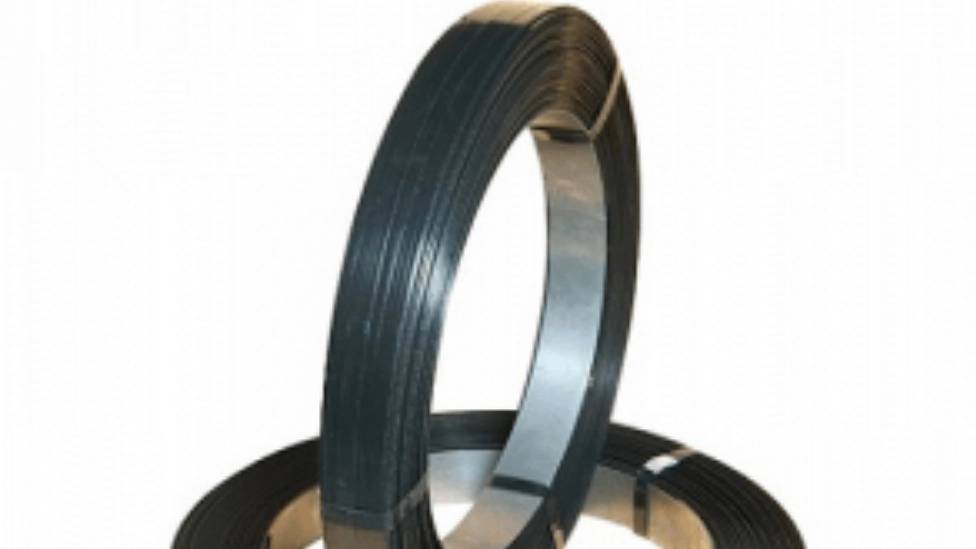
The belt produced by cutting steel sheet is called machine belt. This type of belt has excellent quality. The raw materials for making this type of belt are belts that have already been produced. Three steps are used to make the machine belt, sheet cutting, ironing and the final step. In this method, the sheet is cut with a guillotine and then a roller is used to smooth its surface.
For example, machining belts are used to produce them. Due to the processes used to produce these belts, they have high accuracy in thickness. For this reason, they are used in cases that require specific dimensions.
✔️ Trans Belt
The highest quality type of belt is trans belt. The three belt models mentioned above are used to produce the trans belt. The tolerance of this belt is zero and its surface is completely polished.